
Wellness Travel in 2026: From Escape to Sustainable Whole-Person Renewal
- Musk

- 4 hours ago
- 2 min read
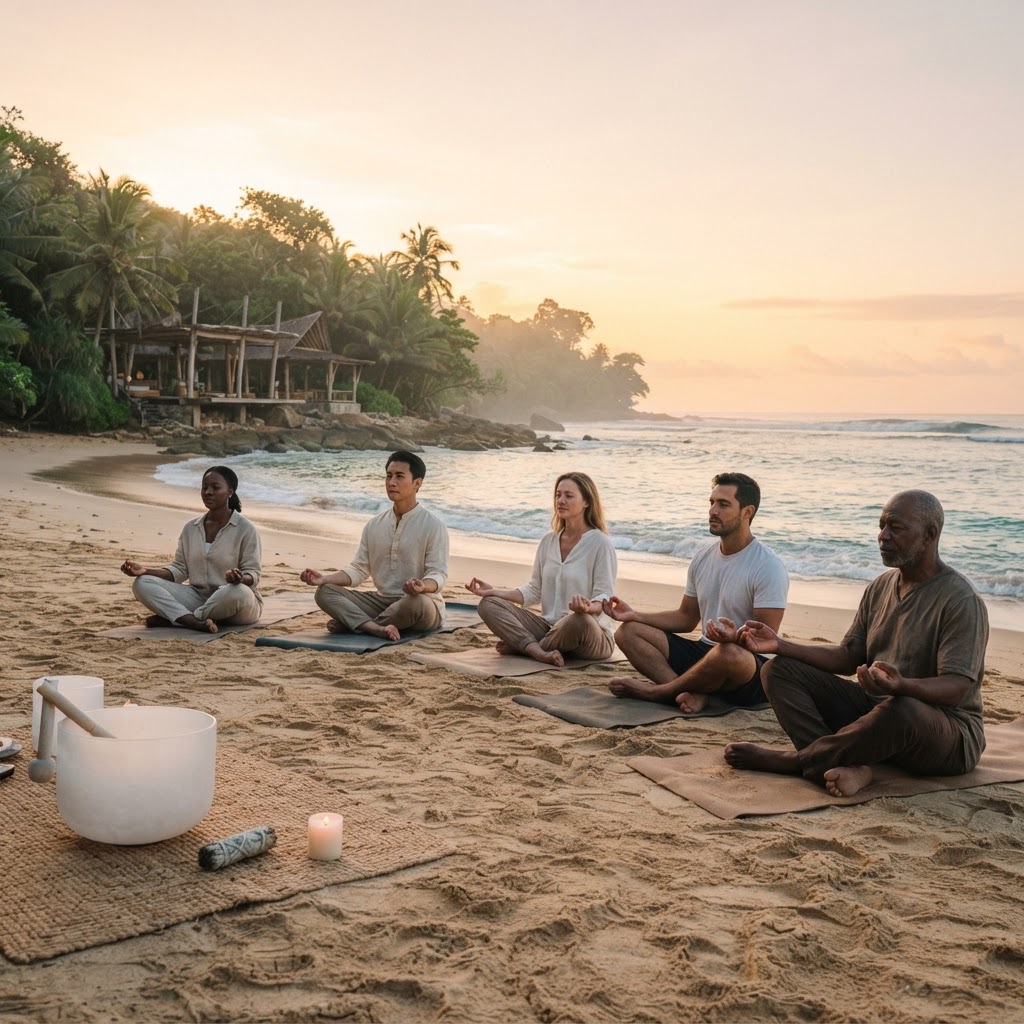
Wellness travel is entering a more thoughtful era. The fastest-growing experiences are no longer only about luxury, fitness challenges, or short-term transformation. Travelers are increasingly looking for safe, evidence-informed ways to rest, reconnect, and build habits they can carry home.
The new wellness traveler wants integration
Recent industry reporting points to strong growth in wellness tourism, while 2026 trend coverage highlights a move away from constant optimization. People are asking better questions: Will this experience support my nervous system? Is the practitioner qualified? Can the retreat respect local culture and the environment? And will I leave with practical skills rather than a temporary high?
That shift creates space for integrative experiences that combine sleep, movement, nutrition, time in nature, reflective practices, and carefully framed energy work. The goal is not to promise a cure. It is to create conditions that support recovery, self-awareness, and healthy choices.
What makes a healing retreat responsible?
A responsible retreat begins with clear expectations. Participants should know what a session can and cannot do, how privacy is protected, and when a concern should be referred to a licensed medical or mental-health professional.
Strong programs also include:
Practitioners with transparent training and defined scopes of practice
Informed consent before touch, sound, breathwork, or energy-based sessions
Options for different abilities, cultures, ages, and comfort levels
Time for rest, integration, and follow-up rather than an overloaded schedule
Respect for local communities, natural resources, and host traditions
Designing a retreat people can continue at home
The best retreat itinerary is not the busiest one. A balanced day might include a gentle morning practice, nourishing food, time outdoors, one focused learning session, and an evening sound or meditation experience. Participants should leave with a simple personal plan: one practice for regulation, one for reflection, and one supportive daily habit.
For crystal singing bowl and sound-based sessions, facilitators can explain the experience in grounded language. Sound may help some people relax or focus, but responses vary. Offering quiet alternatives and encouraging participants to stop if they feel uncomfortable is part of good care.
A practical checklist for choosing a wellness destination
Before booking, ask who leads the sessions, what training they have completed, how emergencies are handled, and whether health claims are supported by credible evidence. Look for programs that publish cancellation, accessibility, safeguarding, and privacy policies.
Also consider the destination itself. Smaller groups, locally sourced services, and environmental stewardship can make a retreat more restorative for both visitors and residents.
The IHA perspective
The International Healing Association supports a culture of learning, ethical practice, and respectful collaboration across healing modalities. Whether you are planning a wellness journey or developing your professional path, standards matter because trust is part of the healing environment.
A meaningful retreat does not need to promise everything. It needs to offer skilled facilitation, honest communication, and enough space for each person to discover what genuinely supports them.
If you are exploring sound healing, energy work, or professional training, visit https://www.healingof.org/ to learn more about the International Healing Association and its educational community.
Comments